
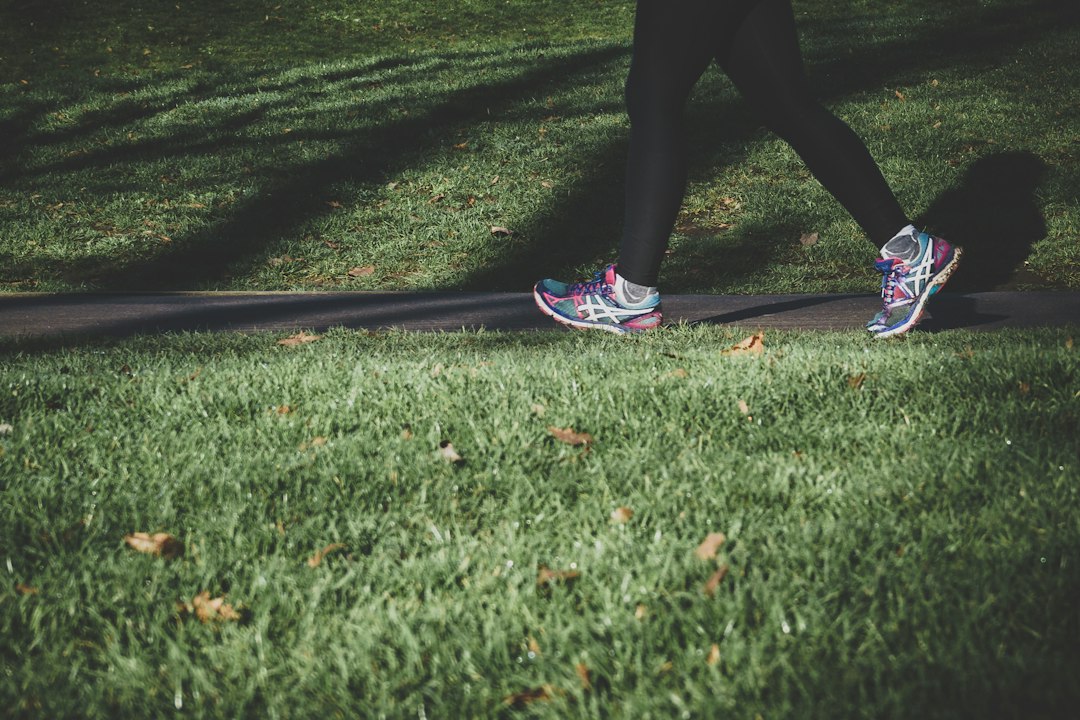
How to Turn a Daily Walk Into a Real Workout
Walking is one of the easiest ways to stay active because it does not require a gym, complicated equipment, or a strict schedule. You can do it around your neighborhood, at a park, on a treadmill, or even during errands. But if your usual walk feels more like a casual stroll than a workout, a few small changes can help you get more out of every step.
The goal is not to make walking feel punishing. A good walking workout should still feel approachable. You are simply adding a little structure so your body has a reason to get stronger, build endurance, and feel more energized.
Start With Your Walking Baseline
Before changing anything, pay attention to what your current walk looks like. How long do you usually walk? Do you finish feeling refreshed, tired, or barely warmed up? Can you hold a conversation the whole time?
Your baseline helps you choose upgrades that make sense. If a 10-minute walk already feels challenging, that is a perfectly good starting point. If you can walk for 30 minutes without much effort, you may be ready to add speed, hills, or intervals.
Try tracking just one or two details for a week, such as time, distance, or how you felt afterward. You do not need to obsess over numbers. The point is to notice patterns so you can build from where you are.
Use Posture to Make Every Step Count
Walking with better form can make your workout feel smoother and more effective. Start by standing tall, as if a string is gently lifting the top of your head. Keep your shoulders relaxed, your chest open, and your eyes looking ahead instead of down at your feet.
Let your arms swing naturally from your shoulders, with your elbows bent slightly. Avoid clenching your fists. A relaxed arm swing can help you move with more rhythm and may make brisk walking feel easier.
Think about stepping from heel to toe instead of stomping flat-footed. Your stride should feel comfortable, not exaggerated. Taking huge steps can strain your hips or shins, so focus on quick, natural steps rather than reaching far in front of you.
Add Intervals Without Overcomplicating It
Intervals are one of the simplest ways to make a walk feel more like a workout. They involve alternating between easier walking and faster walking. This gives your heart and muscles a challenge while still allowing time to recover.
You do not need a formal timer if that feels annoying. Use landmarks instead. Walk at an easy pace to one mailbox, then pick up the pace until the next corner. Slow down again near a tree, driveway, or park bench. Repeat for part of your route.
If you like structure, try this simple pattern:
- Walk easy for 5 minutes to warm up.
- Walk briskly for 1 minute.
- Walk comfortably for 2 minutes.
- Repeat the brisk and comfortable rounds 5 to 8 times.
- Cool down with 5 easy minutes.
During the brisk portions, you should feel like you are working, but not gasping. You might be able to speak in short sentences, but singing would feel difficult.
Make Hills Your Built-In Strength Training
If your route includes hills, stairs, or ramps, you already have a helpful fitness tool nearby. Walking uphill asks more from your glutes, calves, hamstrings, and core. It also raises the intensity without requiring you to run.
On an uphill section, shorten your stride slightly and lean forward just a little from your ankles, not your waist. Keep your chest lifted and keep breathing steadily. Slow down if needed. The hill is already adding the challenge.
Downhill walking can be tougher on the knees, so take controlled steps and avoid rushing. If steep hills bother your joints, use gentle inclines or treadmill elevation instead.
Try a Walking Workout Theme
A theme can keep walks from feeling repetitive. It also gives you a focus for the day. You can rotate different styles depending on your mood and energy level.
The steady walk
Pick a pace that feels moderately challenging and maintain it for 20 to 45 minutes. This is great for building endurance and getting into a calm rhythm.
The speed-play walk
Mix random bursts of faster walking into your route. Speed up when a favorite song chorus starts, when you pass a driveway, or when you reach a straight stretch of sidewalk.
The hill walk
Choose a route with inclines or repeat one hill a few times. Keep the effort controlled and focus on strong, steady steps.
The recovery walk
Walk at a relaxed pace and focus on breathing, loosening up, and enjoying the scenery. Easy days are useful too, especially if you are sore or tired.
Use Light Strength Moves Along the Way
You can turn a regular walk into a fuller body workout by adding short strength breaks. Keep them simple and choose moves that feel safe in your environment.
For example, after every 5 to 10 minutes of walking, pause and do one move:
- 10 to 15 bodyweight squats
- 10 standing calf raises
- 8 to 12 incline pushups using a sturdy bench or railing
- 10 reverse lunges on each side
- 20 to 30 seconds of marching in place with high knees
These mini-breaks add variety and help wake up muscles that support better walking. If you are in a public area and do not feel like stopping for exercises, skip this option. Your workout should fit your comfort level.
Pay Attention to Shoes and Surfaces
You do not need fancy gear to walk, but comfortable shoes matter. Look for shoes that feel supportive, fit well, and do not rub. If your feet, knees, or hips often ache after walking, your footwear may be worth reconsidering.
Surfaces also make a difference. Sidewalks and roads are convenient but can feel hard on the body. Dirt paths, tracks, grass, and treadmills may feel gentler for some walkers. Mixing surfaces can help keep your route interesting and reduce repetitive stress.
If you walk outdoors, dress for visibility and weather. A safe, comfortable walk is much easier to repeat.
Progress Without Pushing Too Hard
To keep improving, change one thing at a time. You might add five minutes to your walk, include a few brisk intervals, or choose a slightly hillier route. Avoid increasing everything at once, especially if you are just getting consistent.
A good rule of thumb is to finish most walks feeling like you could do a little more. That helps you build momentum without burning out. Some days will feel stronger than others, and that is normal. Sleep, stress, hydration, meals, and weather can all affect how your walk feels.
Make It Easier to Stick With
The best walking workout is the one you can repeat. Keep a pair of walking shoes near the door, plan a few go-to routes, or pair your walk with something you enjoy, like music, a podcast, or quiet time.
You can also give your walks a purpose. Walk to pick up a small errand, take a loop during lunch, or meet a friend for a moving catch-up instead of sitting the whole time. When walking fits naturally into your life, it feels less like another task and more like a healthy habit you can actually keep.
A daily walk does not have to be intense to be worthwhile. With better posture, a few pace changes, and gradual progress, it can become a reliable workout that supports your fitness without making exercise feel complicated.